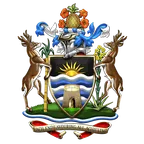
Antigua & Barbuda
Government and institutions
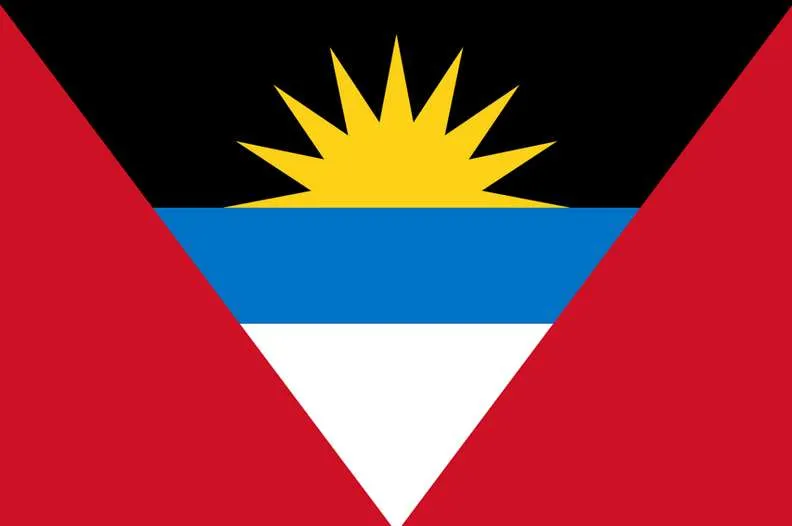
Antigua and Barbuda is an independent parliamentary democracy and constitutional monarchy. Its constitutional framework defines the responsibilities of the Head of State, Parliament, the executive and the courts, and provides for local government on Barbuda.
The Head of State and Governor General
His Majesty King Charles III is Head of State. The Governor General represents the King in Antigua and Barbuda and carries out constitutional and ceremonial functions. Sir Rodney Williams has served as Governor General since 14 August 2014.
Parliament
Parliament comprises the sovereign, the Senate and the House of Representatives. The House has 17 elected constituency representatives. The Senate has 17 appointed members: ten appointed on the Prime Minister’s advice; a further member who is an inhabitant of Barbuda, also appointed on the Prime Minister’s advice; four on the Leader of the Opposition’s advice; one on the Barbuda Council’s advice; and one appointed by the Governor General in the exercise of the constitutional discretion.
Parliament makes legislation and scrutinises the work of government. The Constitution governs the duration and dissolution of Parliament and the holding of elections.
The Prime Minister and Cabinet
The Governor General appoints as Prime Minister the member of the House who appears best able to command the support of its majority. Other ministers are appointed by the Governor General on the Prime Minister’s advice. Cabinet directs government policy and is collectively responsible to Parliament under the Constitution.
The current Prime Minister is the Right Honourable Gaston Browne. The current ministerial team is set out on our Prime Minister and Cabinet page.
The courts
The judicial system includes magistrates’ courts and the Eastern Caribbean Supreme Court, whose High Court and Court of Appeal serve Antigua and Barbuda within the regional judicial structure. The Judicial Committee of the Privy Council remains the final appellate tribunal for the country’s ordinary civil and criminal appeals, subject to the applicable rights and procedures of appeal.
The Caribbean Court of Justice is an established regional court. Antigua and Barbuda participates in its original jurisdiction concerning the Revised Treaty of Chaguaramas; it has not adopted the Court’s appellate jurisdiction as a replacement for the Privy Council.
Local government on Barbuda
The Constitution recognises the Barbuda Council as the island’s principal organ of local government. Its composition and functions are set out in the relevant legislation.
Read the ConstitutionVisit the Government portalMeet the Governor General